
A single dropping behind the stove can mean a nest inside the wall. Vancouver’s mild, damp climate suits rodents well, and they rarely leave on their own. Effective rat and mouse removal for houses and restaurants in Vancouver follows a clear sequence of steps. We explain each one below, so property owners know what to expect before a technician arrives.
Why Vancouver Properties Attract Rodents
Rodents look for three things: food, warmth and shelter. Vancouver offers all three for most of the year.
- Mild winters mean fewer natural die-offs outdoors.
- Older homes often have small gaps around pipes, vents and foundations.
- Dense neighborhoods allow rodents to travel between buildings.
- Restaurants and cafés provide steady food and waste.
- Nearby construction can push rodents out of their burrows and into new buildings.
Breeding is the real concern. A female mouse can have many litters in a single year. A small problem in spring can become a serious one by autumn.
The Professional Removal Process, Step by Step
Trained technicians do not start by placing traps at random. They work through a plan, and each stage supports the next.
A Detailed Inspection
The visit begins with a slow walk through the property. The technician checks the attic, crawl space, basement, kitchen and exterior walls.
Common signs include:
- Droppings along walls and behind appliances
- Gnaw marks on wood, wiring or packaging
- Greasy rub marks on baseboards
- Scratching sounds at night
- Nesting material such as shredded paper or insulation
Mice can enter through a gap about the width of a pencil. Rats need a little more room, roughly the size of a coin. Finding every entry point matters more than any single trap.
Identifying the Species
Rats and mice behave differently, so the treatment differs too. Roof rats climb and nest high. Norway rats burrow and stay low. House mice stay close to food and travel short distances.
A correct identification decides where traps go, which bait is suitable and how many follow-up visits are likely.
Trapping and Baiting
Next comes the active removal. Technicians choose from several tools:
- Snap traps placed along travel routes
- Tamper-resistant bait stations, which keep bait away from children and pets
- Monitoring stations to track activity over time
Placement is deliberate. Rodents prefer to move along edges, so traps sit flush against walls rather than in open floor space.
Exclusion and Sealing
Removal alone does not solve the problem. If the entry points stay open, new rodents will simply replace the old ones.
Exclusion work closes those routes. Technicians commonly use:
- Steel wool and metal mesh in small gaps
- Sealant around pipes and cables
- Door sweeps on exterior doors
- Vent covers and chimney screens
This stage is what separates lasting control from a temporary fix.
Clean-Up and Follow-Up Visits
Droppings and nesting material carry bacteria, so affected areas need careful clean-up. Technicians then return to check traps, review activity and confirm that the sealing holds. Most active infestations need more than one visit, because some rodents remain hidden at first.
What Restaurants and Commercial Kitchens Need
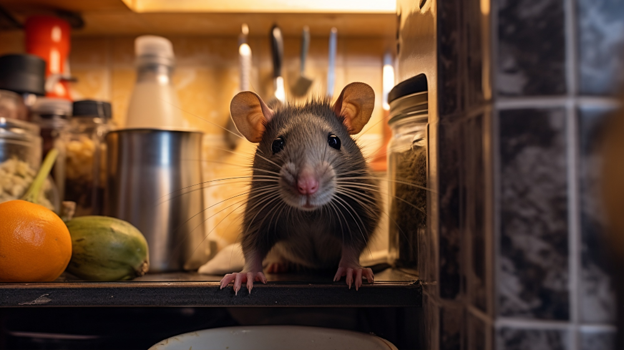
A food business has less room for error. One sighting can damage a reputation, and a failed health inspection can interrupt trading.
Effective mouse control for restaurants and kitchens in Vancouver adds a few extra layers to the standard process:
- Scheduled inspections, often monthly, to catch activity early
- Written service records that are ready for health inspectors
- Treatment planned around opening hours, so food preparation is never disrupted
- Careful bait placement away from food and prep surfaces
- Inspection of storage rooms, loading docks, drains and waste areas
Staff habits also matter. Sealed food containers, prompt waste removal and clean floors under equipment all reduce what rodents can find. Technicians usually give a short list of hygiene recommendations after each visit.
Why Home Remedies Often Fall Short
Peppermint oil, ultrasonic devices and a few store-bought traps are common first attempts. They may catch one or two animals. They rarely address the nest, the entry points or the reason rodents came in.
Over-the-counter poison also carries risk. A poisoned rodent may die inside a wall, which creates odour and attracts insects. Professional methods are designed to avoid that outcome.
How to Choose a Certified and Insured Exterminator
The company you hire is as important as the method it uses. A certified and insured exterminator in Vancouver gives you protection if something goes wrong on your property.
Check for the following:
- A valid provincial pest control licence
- Liability insurance and WorkSafe coverage
- A written treatment plan after the first inspection
- A clear explanation of the products used and their safety
- A stated warranty or free return visits
- A free, no-obligation quote with upfront pricing
Be cautious about any company that promises instant results or declines to inspect first.
Simple Habits That Support Professional Treatment
Treatment works best when the property stays unattractive to rodents. These steps help between visits:
- Store dry food in sealed metal or thick plastic containers.
- Fix leaking pipes and taps promptly.
- Trim shrubs and branches away from the roofline.
- Keep firewood and storage boxes off the ground and away from walls.
- Use lidded garbage and compost bins.
- Report new droppings or noises early.
Conclusion
Professional rodent control is a process, not a single treatment. Inspection, identification, trapping, sealing and follow-up each play a part and skipping one weakens the rest. For restaurants, the same discipline protects both the kitchen and the business.
Advance Pest Control serves homes and businesses across Vancouver and the Lower Mainland. We are government-licensed, WorkSafe BC covered, bonded and insured, and we offer free quotes. A prompt inspection is the best first step toward a rodent-free property.
Frequently Asked Questions
How can I tell whether I have rats or mice?
Droppings give the clearest answer. Mouse droppings are small and rice-shaped, while rat droppings are larger and blunt at the ends. Rats also leave bigger gnaw marks and travel in more visible paths.
How long does rodent removal usually take?
Timing depends on the size of the infestation and the condition of the building. Many properties need several visits over a few weeks. Sealing entry points early shortens the process.
Are rodent treatments safe around food, children and pets?
Professionals use enclosed bait stations and place products away from food and play areas. They also explain which areas to avoid and for how long. Ask for product details before the treatment starts.
What affects the cost of rodent removal?
Several factors apply. These include the type of rodent, the size of the property, the number of entry points and the number of follow-up visits. A written quote after inspection gives the most accurate figure.