
A spotless kitchen should mean no ants. Yet many homeowners in Langley wipe the counters, mop the floor, and still find a fresh line of ants by morning. It feels unfair. The cause is rarely dirt alone. Ants follow scent trails, chase moisture, and nest in places a cloth never reaches. Knowing these habits is the first step, and a trusted Ants Control Expert Langley families can call makes the next steps easier.
Cleaning Removes Crumbs, Not the Colony
The ants on your counter are only a small part of the story. Most are workers sent out to find food. The nest sits somewhere else, often in soil beside the foundation, under a patio stone, or inside a wall.
The queen stays there, laying eggs day after day. Wiping away the workers changes nothing at the source, and new ones arrive within hours. It is like trimming a weed at ground level while the roots stay put.
The Scent Trail Stays Behind
Ants mark their route with an invisible chemical path. Once one scout finds food, the message spreads fast. A quick wipe may leave part of that path intact, and the next ants walk straight back along it.
How We Suggest Breaking the Trail
- Clean the full route, not only the spot where you saw them.
- Use a mild soap solution and rinse well.
- Dry the surface, because lingering moisture invites them back.
- Check skirting boards and the base of cabinets.
Langley’s Weather Plays a Part
Our region has long, wet seasons. Heavy rain floods outdoor nests, and ants head for drier ground. A warm house looks like a very good option. Soggy mulch, damp soil, and wet wood near the walls add to the pull.
Ant Types Common in Local Homes
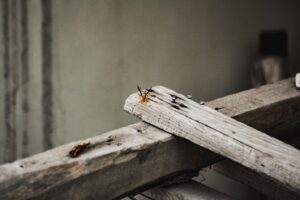
Different ants cause different problems. Three are seen often around Langley:
- Carpenter ants: Large and dark, they favor damp wood such as window frames and deck beams. They do not eat it, but their tunnels can weaken a structure over time.
- Pavement ants: Small and brown, they nest in soil under paving and enter through cracks.
- Odorous house ants: Tiny and dark, they smell like rotten coconut when crushed, and they love sweet foods.
Hidden Food and Water Sources
A clean surface does not always mean a clean supply. Ants need only a tiny amount of food or water to stay interested.
Common hidden sources include:
- Crumbs under the toaster, fridge, or dishwasher
- Sticky rings beneath honey, syrup, or juice bottles
- Pet bowls left out overnight
- Slow leaks under sinks or behind washing machines
- Unrinsed jars and cans in the recycling bin
One leaking pipe can support a nest for months. Water deserves as much attention as food.
Entry Points Most People Miss
Ants can slip through gaps thinner than a coin. Walk around your home and look closely at:
- Cracks along the foundation
- Gaps around windows and door frames
- Openings where pipes, cables, or vents pass through walls
- Worn door sweeps
- Branches or vines touching the house
Sealing these helps. Still, a sealed gap does not remove a colony that is already inside.
Why Store-Bought Sprays Often Backfire
Many people reach for a spray at the first sighting. It kills the visible ants, which feels like progress. The trouble is that it rarely reaches the nest. With some species, spraying can even push the colony to split into several smaller ones, and that spreads the problem into new rooms.
Baits work differently. Workers carry a slow-acting product back and share it with the colony, queen included. Placement and timing matter a great deal here. This is one reason professional products tend to outperform shelf options.
Signs the Problem Is Bigger Than a Few Ants
Some patterns point to an established colony:
- Ant trails appear daily for more than a week.
- Fine sawdust-like debris collects near wood trim or sills.
- Winged ants show up indoors.
- A faint rustling comes from inside a wall.
- Ants appear in several rooms at once.
Any one of these is a good reason to ask for an inspection.
What a Professional Ant Exterminator Does Differently
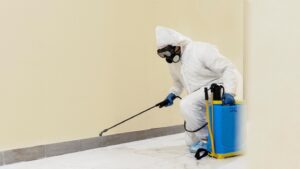
A licensed ant exterminator begins with a close look at the property. A typical visit follows these steps:
- Inspect the interior, the exterior, and the soil around the home.
- Identify the species and locate the likely nest.
- Apply baits, sprays, or powders suited to that species.
- Advise on sealing gaps and reducing moisture.
- Return for a follow-up to confirm the colony is gone.
This approach treats the cause, not just the symptom. It also keeps product use measured, since treatment goes only where it is needed.
Daily Habits That Keep Ants Away
Prevention is steady and simple. These habits help between professional visits:
- Store sugary and dry foods in sealed containers.
- Wipe the counters after every meal, then dry them.
- Take out kitchen waste each evening.
- Fix dripping taps and damp spots without delay.
- Trim plants and keep firewood away from exterior walls.
- Pick up pet food after meals.
Small routines add up.
When to Search for a Pest Control Service Near Me
Some situations call for a phone call rather than another weekend of scrubbing. Ants may return within days of cleaning, carpenter ants may be suspected, or the infestation may have spread. In each case, expert help saves time and protects the home.
A search for a pest control service near me should lead to a company that is licensed, insured, and familiar with local conditions. Before booking, ask about:
- Licensing and insurance
- Treatment methods and safety around children and pets
- Written quotes and follow-up visits
Conclusion
Ants return because cleaning cannot reach the nest, erase the scent trail, or stop moisture from drawing them in. Lasting results come from finding the colony and treating it directly. At Advance Pest Control, we inspect each property, identify the species, and build a plan that fits the home. If ants keep coming back, we are ready to help you stop them for good.
FAQs
How long does it take to get rid of ants completely?
Most infestations improve within a few days of baiting. Full control can take a couple of weeks. Larger colonies and carpenter ants may need extra visits.
Are ant treatments safe for children and pets?
Professionals use products according to label directions and place them in targeted areas. Families should follow the technician’s advice about keeping children and pets away from treated spots.
Why do ants appear in my kitchen even when it is clean?
Ants detect tiny traces of food and moisture, and old scent trails may remain. Entry gaps and a nearby nest also keep them coming back.
Do I need an ant exterminator for just a few ants?
A few ants can often be handled with careful cleaning and baits. If they return within a week or two, a professional inspection is wise, since the nest may be close to the home.